
Picture this: It’s late at night, you’re half-asleep, brushing your teeth, and suddenly WHAP—something crashes into your bathroom light with the force of a mini meteor. You spin around, toothbrush still dangling from your mouth, and see it: a shiny, reddish-brown insect gripping a toilet paper roll like it’s claimed squatters’ rights. Welcome to spring—and say hello to the cockchafer.
Yes, that’s really what it’s called. Sounds like the name of a Dickensian schoolboy who gets bullied in chapter two, right? But more politely, it’s also known as the May bug, which feels way too quaint for something that dive-bombs your face at midnight.
What Is a Cockchafer Anyway?
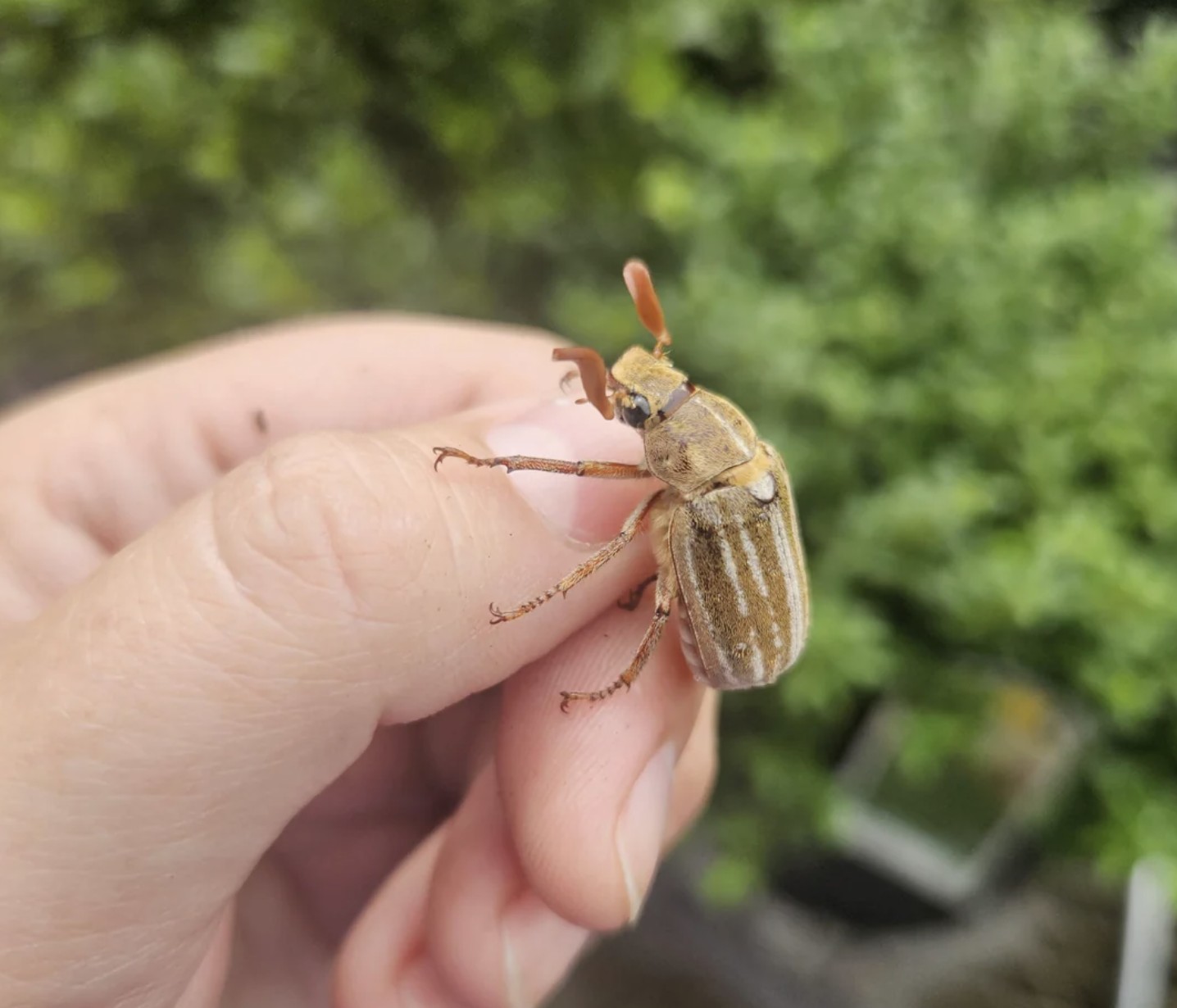
The cockchafer (Melolontha melolontha for you science fans) is a large beetle common in Europe during late spring, typically May through early June. It looks a bit like a scarab beetle you’d expect to see crawling across an ancient Egyptian tomb wall—except this one’s clumsily banging into your living room lamp.
Measuring around 2 to 3 cm in length, it’s not huge, but when it’s buzzing near your head like a drunk drone, it feels enormous. Males can be spotted by their wild-looking, fan-like antennae, which they use to detect female pheromones. Picture tiny feather dusters flaring out of their heads—they’re trying to mate, not pick up satellite TV.
How to Know It’s a Cockchafer
Think you’ve got one? Here’s your field guide:
-
Color: Rusty-brown with shiny wing cases, black underside.
-
Antennae: Dramatic, feathery antennae in males—think masquerade ball.
-
Size: Larger than your average beetle, but not quite Jurassic Park.
-
Markings: White tufts or “spots” on their sides.
-
Behavior: Loud, clumsy, and light-obsessed. If it’s flinging itself into your ceiling fan at dusk, odds are good.
Also, important note: If you’re in Europe, it’s not a June bug (that name’s reserved for a similar but separate beetle in North America).
Where Do They Come From?
Brace yourself: they live underground. For years.
Before they make a noisy entrance into your bathroom, cockchafers start life as grubs—those fat white larvae you do not want munching on your garden. These guys stay underground for 3–4 years, feeding on the roots of grass, flowers, and trees. The damage they do beneath the soil is far worse than anything they do once airborne.
Come spring, they emerge, grow wings, and party hard for a few weeks—mating, laying eggs, crashing into things—and then die. Basically, they live like reckless spring break tourists with wings.
Are They Dangerous?
To you? Not really.
They don’t bite, sting, or carry disease. They’re just loud, chaotic, and capable of turning a peaceful night into a horror-movie jump scare. However, if enough of them show up, their larvae can absolutely destroy your lawn and garden from below.
What to Do If One Flies Inside
First off: Don’t panic. That buzzing missile doesn’t want to hurt you. It just sucks at flying.
Try this:
-
Trap it gently under a cup or glass.
-
Slide paper underneath and escort it back outdoors.
-
Turn off the lights—bright lights attract them like moths to a flame.
-
Check your home for gaps: close windows, seal vents, patch screen holes.
What If You’ve Got Too Many?
Seeing a few outside? Fine. Seeing dozens? You might have a grub problem underground.
Here’s how to deal:
-
Nematodes: Yes, they’re real. Tiny beneficial worms that eat beetle larvae. You can order them online or buy them at garden centers.
-
Milky spore powder: A natural long-term treatment that infects the grubs and prevents future infestations.
-
Good lawn care: Aerate your soil, don’t overwater, and mow regularly. Basically, don’t give beetles the luxury spa treatment they crave for reproduction.
Let Nature Help Out
Birds, hedgehogs, and even foxes and badgers love snacking on beetle larvae. Set up a birdbath, scatter some seeds, or leave a brush pile in the yard—basically, make your garden a five-star dining destination for beetle predators.
Should You Call Pest Control?
Usually, no. Unless you’re being overrun or your lawn is dying fast, natural remedies and prevention are enough. If it is serious, look for eco-friendly pest control methods to avoid harming pets or pollinators—or nuking your soil with chemicals.
Final Thoughts
So that mysterious flying chunk you swatted off your bathroom light? Not a monster. Not an invader. Just a cockchafer, one of spring’s loudest and least coordinated visitors. Ugly? Sure. Startling? Definitely. But once you know what they are, they’re actually kind of fascinating.
And next time you’re brushing your teeth in May, maybe keep a cup handy—just in case.