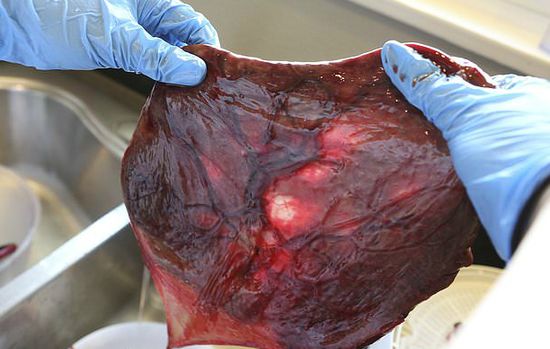

Over the past decade, one of the more unusual health fads to gain momentum among new mothers is the consumption of placenta after childbirth, also known as placentophagy. Promoted as a powerful natural remedy to boost postpartum recovery, reduce the risk of depression, and increase milk production, this trend has been widely embraced by celebrity moms and alternative wellness advocates. But what does the science actually say?
Spoiler alert: not much in its favor.
A recent study published in the American Journal of Obstetrics and Gynecology took a hard look at the claims surrounding placentophagy. After analyzing the available research, the scientists found zero evidence supporting the supposed health benefits of consuming placenta. According to the study, “there is no scientific evidence of any clinical benefit of placentophagy among humans,” and more importantly, “no placental nutrients and hormones are retained in sufficient amounts after placenta encapsulation to be potentially helpful to the mother postpartum.”
In plain terms: placenta pills and smoothies may not be doing anything at all—other than adding risk.
Dr. Alex Farr, a gynecologist and co-author of the study from the Medical University of Vienna, doesn’t mince words. He explains that medically, the placenta is considered a waste product once the baby is born. While many mammals eat their placentas in the wild, there is no evidence that this behavior is common or culturally practiced among humans throughout history. Farr even goes as far as to liken it to cannibalism, as the placenta originates from the baby’s side of the womb and contains fetal cells.
And there’s more than just a lack of benefit to worry about—there are serious health concerns, too. The U.S. Centers for Disease Control and Prevention (CDC) reported a troubling case in 2016 involving a newborn in Oregon. The infant developed a dangerous infection caused by group B streptococcus, a common bacterium. Doctors traced the infection back to the placenta capsules the mother had been consuming postpartum. Tests revealed that the bacteria found in the pills matched the strain found in the baby’s bloodstream.
Despite the scientific and medical skepticism, celebrity endorsements have helped keep the trend alive. Reality star Kim Kardashian famously blogged about her decision to eat her placenta in pill form following the births of her children. After hearing stories from other mothers who said it helped prevent postpartum depression, Kim said she decided to give it a try herself—and claimed to feel energized and emotionally well as a result.
Actress Katherine Heigl also jumped on the placenta pill train after her C-section, recounting a quirky story about a cowboy-hat-wearing man collecting her placenta for encapsulation. Similarly, Gaby Hoffmann, known for her roles in Transparent and Girls, opted for placenta smoothies. According to Hoffmann, she felt stronger and more energized after consuming it blended with fruits and juice every day for weeks.
Placentophagy can take many forms: raw, roasted, cooked, dehydrated, mixed into smoothies, or turned into liquid extracts and capsules. Pills—created by steaming, dehydrating, and pulverizing the placenta—remain the most popular choice due to convenience and palatability. But regardless of how it’s consumed, the underlying question remains: is there really any benefit?
So far, science doesn’t seem to think so. While the placebo effect is powerful and many mothers report feeling better, no clinical evidence supports the idea that eating placenta improves physical recovery, emotional health, or lactation. In fact, medical professionals are increasingly warning about the potential risks of contamination and infection.
As with any health trend, it’s important to weigh personal experiences against peer-reviewed science. Eating your placenta may feel empowering or meaningful to some, but until rigorous research proves its effectiveness and safety, many experts urge caution.
Would you try it—or is it one trend you’re happy to skip? Let us know your thoughts in the comments!