

Food is one of the most universal elements of culture, yet different countries have dramatically different views on what’s safe—or appropriate—to eat. While cultural preferences and taboos are common, some countries have gone a step further by outright banning certain foods that are widely loved elsewhere. From chocolates to condiments, here’s a deeper look at ten surprising and often bizarre food bans around the world—and the sometimes strange reasons behind them.
1. United States – Kinder Surprise Eggs
The United States is home to many delicious treats, but one item you won’t find on store shelves (at least not legally) is the iconic Kinder Surprise Egg. This popular European candy, which contains a small toy inside a chocolate shell, runs afoul of a U.S. law that prohibits “non-edible items” from being embedded in food. The concern is that the toy could pose a choking hazard to young children. Even though these eggs are a staple in many parts of the world, in America, they’re contraband—customs officials have even seized them at the border.
2. Russia (and Others) – Farm-Raised Salmon
In Russia, Australia, and New Zealand, farm-raised salmon is on the banned list. The reasoning? Health concerns. Critics of farmed salmon point to the use of antibiotics, growth hormones, and chemical treatments that can accumulate in the fish and potentially in the people who consume them. These countries have opted to prioritize wild-caught salmon or other local alternatives instead.
3. European Union – Absinthe
Absinthe, the anise-flavored spirit known for its high alcohol content and mystique, was banned for decades in the EU and beyond. The culprit was thujone, a chemical compound found in wormwood, one of absinthe’s key ingredients. Thujone was once believed to have hallucinogenic properties, prompting fears of madness and addiction. Although the EU has since lifted the ban (with strict limits on thujone content), the spirit’s reputation still lingers.
4. Japan – Mountain Dew
This one is a shocker for soda fans. Mountain Dew, along with other citrus sodas, is banned in Japan due to the presence of brominated vegetable oil (BVO), a chemical additive used to help keep flavoring from separating in drinks. BVO has been linked to a number of health risks, including thyroid and neurological damage, and is banned in over 100 countries, including Japan.
5. Denmark – Marmite
Marmite, the salty, yeast-based spread loved in the UK, didn’t win over Denmark. The country banned it based on a law that restricts foods fortified with extra vitamins and minerals unless specifically approved. Marmite was found to be in violation of this rule, leading to its removal from Danish store shelves. Love it or hate it, Denmark made their stance very clear.
6. Canada – Potassium Bromate in Bread
Canada hasn’t banned hamburger buns per se, but it does prohibit bread made with potassium bromate, a flour additive used to improve dough elasticity and volume. The additive has been linked to thyroid and kidney issues, and its use has also been banned in countries like Brazil, China, and across the European Union.
7. United Kingdom – Some Japanese Imports
After the Fukushima nuclear disaster in 2011, the UK imposed strict regulations on food imports from Japan, especially seafood and other perishables. While not a total ban, these restrictions are so stringent that they effectively bar many Japanese food products from being sold in the UK. Radiation concerns and public health priorities remain key drivers of this policy.
8. France – Ketchup in Schools
France takes its culinary heritage seriously—so seriously that ketchup has been banned in primary school cafeterias (except when served with French fries). French officials argued that ketchup was overpowering traditional French flavors and was leading children away from their native cuisine. The decision was part culinary preservation, part nutritional strategy.
9. Somalia – Samosas
Perhaps the strangest ban of all is the one enforced by Somalia’s militant group al-Shabaab. Samosas, the widely loved triangular pastry snack, were banned because of their shape. The militant group reportedly deemed the shape to be too closely associated with the Christian Holy Trinity, labeling them a “Christian” food. It’s a rare case of geometry leading to culinary censorship.
10. United States – Haggis
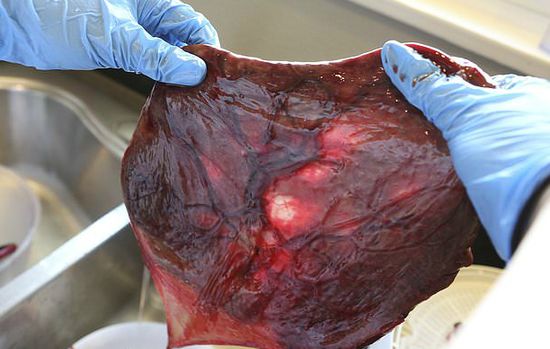
Scotland’s beloved national dish, haggis, contains sheep’s lungs as one of its key ingredients. Unfortunately for Scottish expats in the U.S., that makes it illegal to import under U.S. food safety laws, which prohibit the use of sheep’s lungs in any food products. Despite repeated efforts by Scottish officials to lift the ban, haggis remains one of the most stubbornly outlawed delicacies in the States.
Final Thoughts
From safety concerns to cultural quirks and even religious interpretations, food bans around the world offer a unique look into what each society values—and fears. While some of these laws may make sense in context, others feel downright surreal. So next time you bite into a snack you love, remember: somewhere in the world, that same bite might be completely forbidden.